
SmartRabbitz delivers Mobile Apps with a focus on practical outcomes, maintainable architecture and close collaboration with your team.
Business problems solved
- Need for specialist capability without building a large in-house team
- Pressure to deliver reliable software on predictable timelines
- Integration complexity with existing systems and vendors
Solutions and deliverables
- Consulting, design and implementation support for Mobile Apps
- Clear milestones, documentation and knowledge transfer
- Option to scale from a focused engagement to a dedicated delivery pod
Who this service is for
Organisations looking for an engineering partner to design, build or extend software capabilities in this area.
Technology and integration approach
Technology choices are matched to your roadmap, team skills and operational constraints.
Security, governance and compliance
Security and access control are addressed during architecture and delivery planning.
Implementation process
- Discovery and scope
- Solution design
- Build and validation
- Release and support
Case evidence
Explore related capabilities on our services page.
Questions buyers ask
- How do we get started?
- Contact us with your goals and we will propose a discovery session.
Next step
Tell us what you are building and we will recommend next steps.

In the 21st century, organizations across industries, from retail, e-commerce, and telecommunications to insurance, healthcare and government, need to meet users’ expectations for real-time, easy ways to conduct transactions and access information. The growing significance of mobile application development lies in this user expectation.
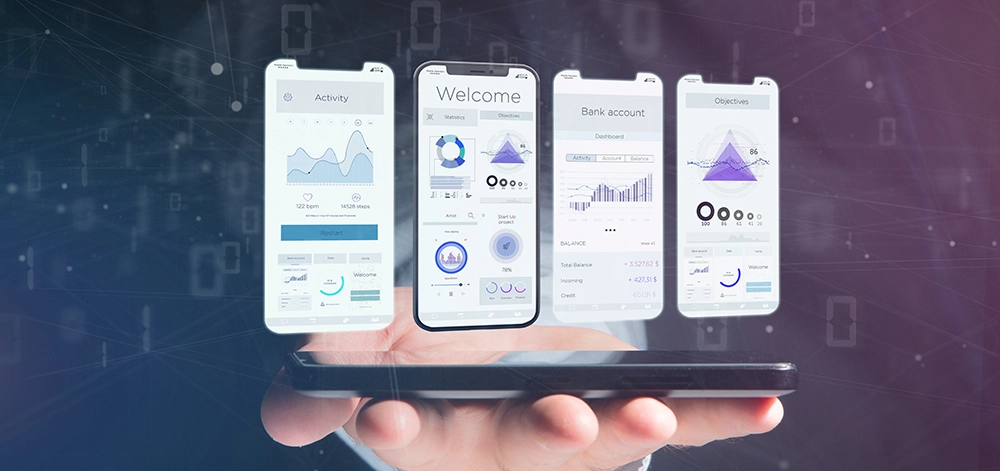
Mobile application development is the process of creating software for smartphones, tablets and digital assistants, which primarily run under the Android and iOS operating systems. The software can be preinstalled on the device, downloaded from a mobile app store or accessed through a mobile web browser. Key steps/considerations in the lifecycle are as follows:

Refine the idea and strategize
-
What do you want your mobile app to accomplish?
-
App goals
-
Problems that your app solve
-
Features to be included in the App
-
Budget

Market Research
-
Target Audience
-
Competitors
-
Differentiation strategy to stand out from the competition?
-
Best platform to launch your app
-
Marketing and promotion of the app

Build your UX Design
-
Create a storyboard or roadmap to illustrate connections between each screen.
-
Conceive the differences in how users will use the app compared to a mobile website (app development and web development are not the same).
-
User experience must be your top priority.
App Development & Testing
-
Our team will be primarily responsible for this part of the process. In the case of other steps indicated above, our experts will work with your team to arrive at the right choices.
Some key choices/decisions involved in mobile application development are:
Considerations for choice of Platform
Many independent application development teams choose to build their apps for Android first because the vast majority of smartphones run Android, and the Google Play Store has fewer restrictions than the Apple App Store. On the other hand, mobile applications developed for iOS have fewer devices that need support, making optimization easier, apart from user retention being typically higher for iOS applications.
Depending on the intended use case and target audience for the mobile application to be developed, businesses may have other considerations. As an example, if the app is being designed for your organization’s employees, you will need to support the platforms they use, which might mean developing cross-platform apps that work for both Android and iOS.
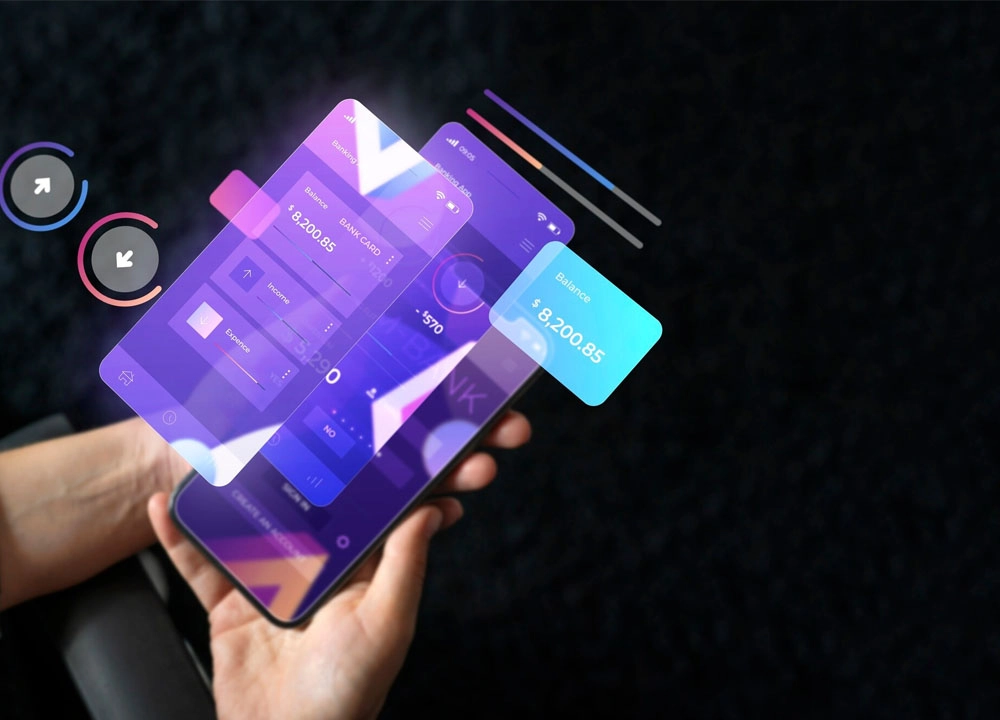
If you’re building a mobile application for your customers and you are aware that most of them use iPhones, then developing iOS applications should be a top priority. Other considerations when developing your mobile applications include monetization strategies and anticipated user behavior, which can be influenced by geographical and cultural factors.
Enhance efficiency and tighten security by integrating the development platform and device management tool.
Native apps or hybrid apps?

Native applications
A powerful app can be built by taking advantage of native APIs and OS-specific programming languages. Most enterprise apps, especially ones that require substantial API traffic, benefit from native development.
Going hybrid
Hybrid apps take a write-once-run-anywhere approach, and use one codebase that can function both on Android or iOS platform. They’re normally coded in a programming language that’s universally recognized, such as Java/JavaScript/HTML/CSS. Because you’re denied access to the native APIs of the Operating System, hybrid mobile application development works best for simple mobile applications with three or four screens and limited functions.
It is right to build light. But what if more processing is required?
Whether you choose native or hybrid mobile application development, one of the first hurdles you’ll need to overcome is the relatively limited resources on mobile devices. Your target mobile device has much less processing power and memory than desktop computers or enterprise servers.

Offload processing to the cloud
If your mobile application requires more processing than a typical mobile platform can support consider offloading that processing to the cloud. Through the judicious use of APIs, you can connect your app to cloud-based services and databases to provide advanced functions without slowing your application or straining the device it is running on. You can even offload data storage and caching to a cloud-based server, leaving little data on the device.

Extend your App with advanced cloud services
The cloud can offer other advantages beyond performance boosts. Connect your mobile application to powerful cloud services to add features and improve usability. Employ APIs to integrate new features, such as advanced cloud-based services that can help you enhance your mobile apps.